
It’s Time to Rethink Aloe Vera and Your Digestion
May 18, 2026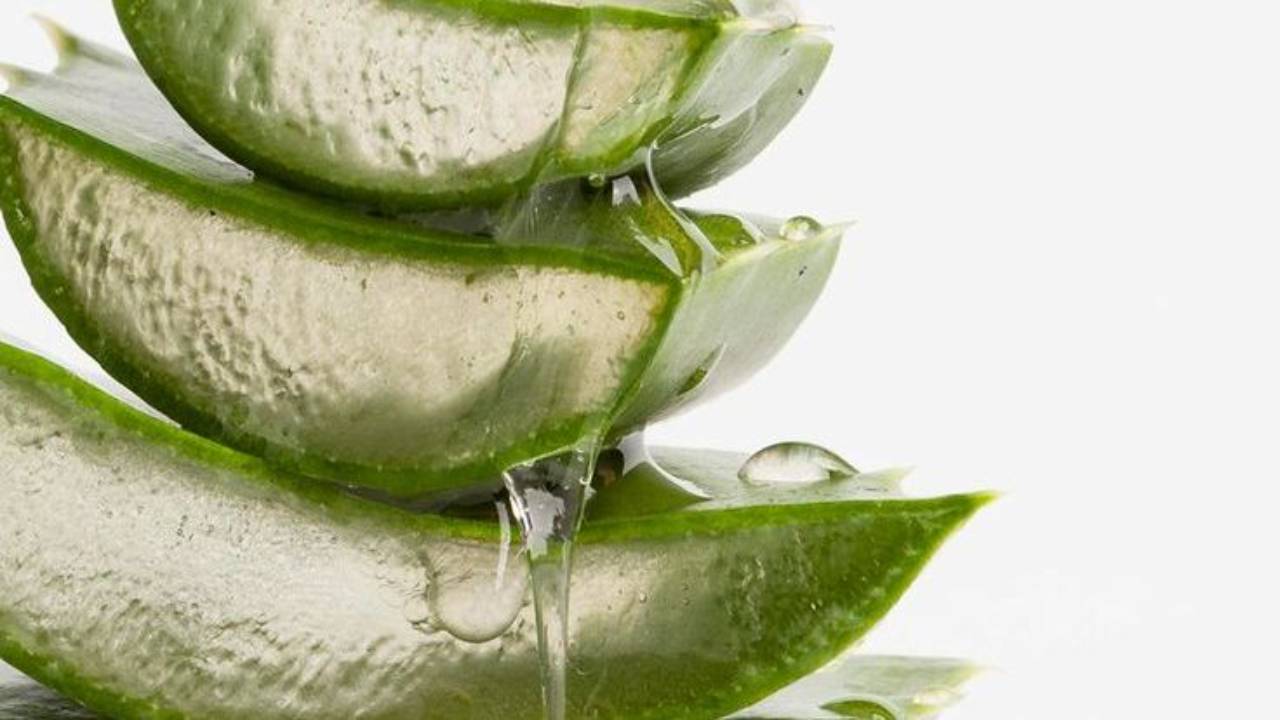
You’ve probably had that glowing bottle of aloe vera juice packaged as a digestive miracle worker, a gut-soothing tonic, a “clean-secrets-recommended” daily sip land in your social media feed.
It sounds lovely, doesn’t it? Smooth, refreshing, like a hug for your insides.
But here’s the thing: what feels like a quick shortcut isn’t always what the science actually supports.
Aloe vera has been used for all kinds of ailments, inside and out and today people still reach for it hoping, among other things, that it’s going to help their bowels move more smoothly.
It’s Not a One-Size-Fits-All “Bowel Booster”
Some of the compounds found in aloe, especially the plant’s latex, act as a bowel stimulant.
That’s why many associate aloe with helping with bowel movements. But that’s only part of the picture.
Aloe vera juice and gel are marketed as gut health helpers because they contain plant compounds that could support digestion, break down sugars and fats, and in certain forms encourage bowel movements.
But here’s where it gets important:
- Not all aloe is the same. The inner gel of the plant and processed aloe juices are very different from raw aloe latex (the part just under the leaf skin).
- Some studies suggest aloe might help with symptoms of irritable bowel syndrome (IBS) but evidence is mixed, and more research is needed before we can confidently say it’s effective for everyone.
So if you’ve ever tried aloe juice and felt something happening good or bad that’s part of the reason why: this plant contains active compounds that can influence your bowels in ways that aren’t always predictable.
What Might Be Worth Trying Instead
Real, everyday habits can make an enormous difference to your bowel comfort:
- Prioritise fibre-rich foods that help your gut move naturally (think fruit, veg, whole grains).
- Stay hydrated throughout the day.
- Notice patterns – are there meals that leave you feeling lighter? Heavier?
- Pay attention to movement, stress, and sleep – all of these shape your digestive flow.
And if you do want to experiment with aloe juice, do it with curiosity, not commitment:
- Choose aloe products that specify they’re made from inner gel or purified juice.
- Start with small amounts.
- Tune into how your body responds and respect what it tells you.
A Gentle Reminder
Wellness isn’t a single “secret ingredient” or trend; it’s a tapestry of daily choices, awareness, and listening to your body more than you listen to the latest health hack.
Aloe vera can play a role for some people, occasionally, the way a warm walk or a glass of water after dinner can feel soothing. But it’s not a stand-alone solution and it’s certainly not the magic bullet some posts might imply.
Let this be your guide: choose what feels supportive, reflect on how you feel, and don’t elevate any one plant juice above the wisdom of your own body and daily lifestyle.
Because real gut health, the kind that lasts isn’t found in a bottle. It’s found in habits that make you feel genuinely well, calm, and connected to yourself.
Stay connected with news and updates!
Join our mailing list to receive the latest news and updates from our team.
We respect your privacy. Your information is safe with us and we’ll never share or sell it. No spam, either. Just thoughtful updates and tools to support your wellbeing journey.