
Etiquettes: Good Manners Are Good For Us
Sep 28, 2026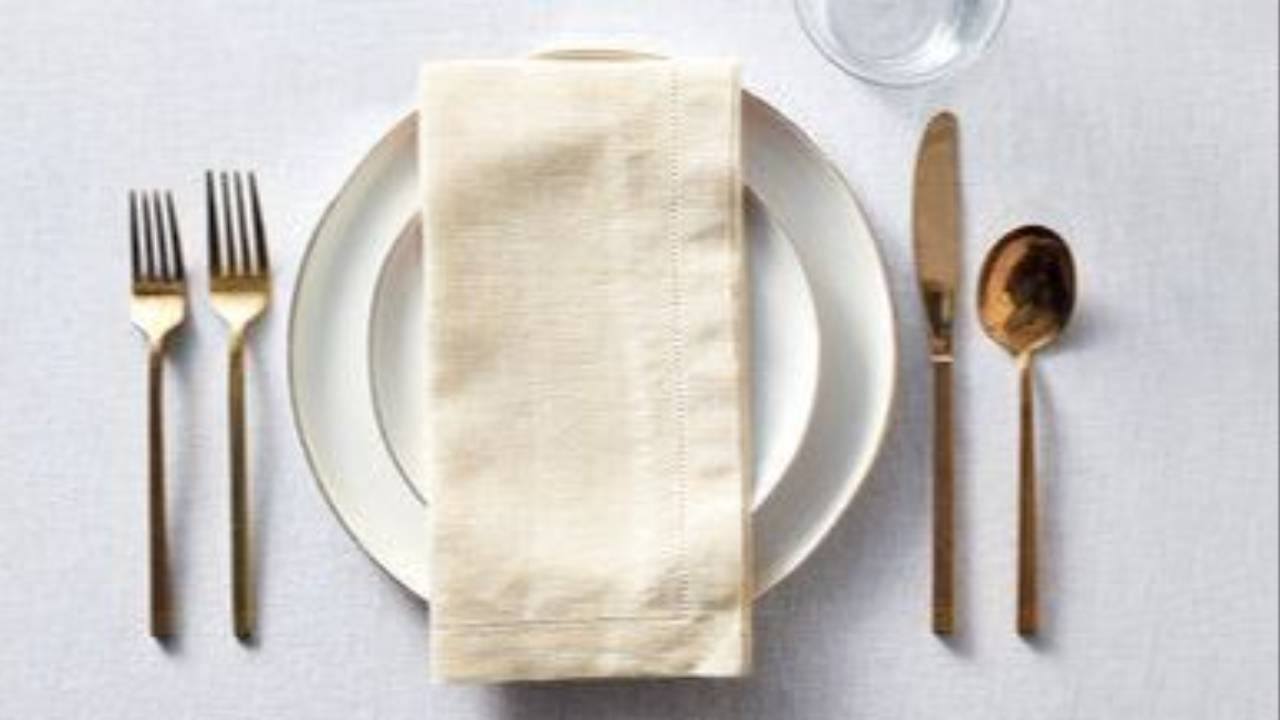
Good manners are a form of social safety. They tell our brains; I am respected, I belong here, and I know how to make other people feel comfortable.
Practicing good manners can positively impact in many ways.
1. Manners create a sense of connection
When someone says please, thank you, makes eye contact or asks how you are, it communicates: “I see you. You matter.”
Humans are deeply social beings, so these tiny signals of acknowledgement can create feelings of warmth and belonging.
2. They reduce social uncertainty
Manners provide a kind of social framework. We know how to greet someone, how to take our turn, how to show appreciation and how to navigate a shared space.
3. Giving kindness feels good too
It's not only receiving good manners that feels good. Practising them can make us feel good, when we hold a door, thank someone, introduce two people or make someone feel welcome, we're actively contributing to another person's wellbeing.
Which helps us feel a sense of purpose, generosity and connection.
4. They reinforce our own values
There is something deeply satisfying about behaving in a way that reflects the person we want to be. If you value kindness, respect, consideration and grace, behaving accordingly creates a feeling of internal alignment:
“This is how I want to move through the world.”
5. They create reciprocity
One person being considerate often encourages another person to reciprocate. A simple: “Thank you.” often receives: “My pleasure.”
And suddenly there is a mini positive exchange between two people, and repeated throughout a family, workplace or community, these small exchanges help create a culture of respect.
Here are some quick table manners to level up your good manners.
- Keep elbows off the dining tables
This is one my children LOVE to remind us of! This is an old behaviour, but it encourages good posture, presence, and a sense of grace.
-
Serviettes to the left of your plate when you’ve concluded eating
This is a hygienic behaviour, as well as a signal to the service staff that you have concluded your meal. It’s also a helpful one if you never know where to put your serviette when you’re done!
-
Sitting up straight in a dining chair, and not leaning into it
The obvious benefits of this one is better posture, however there is more than meets the eye. Sitting up straight aids digestion, boots your breathing and prevents fatigue. Who’s ready for an 8 course degustation menu!?
-
Don’t cut lettuce with a knife, fold it with your fork
This is a traditional French etiquette rule, and dates back to a time when carbon steel knife blades could discolor lettuce. While modern stainless steel cutlery does not cause this chemical reaction, the polite habit remains.
-
Tea spoon placement
Place your used teaspoon on the saucer behind your teacup, never inside the cup. Once your teaspoon has been used, you should place that spoon on your saucer, behind your teacup. You can explore more tea etiquette at My Tea Aura.
Stay connected with news and updates!
Join our mailing list to receive the latest news and updates from our team.
We respect your privacy. Your information is safe with us and we’ll never share or sell it. No spam, either. Just thoughtful updates and tools to support your wellbeing journey.